Chicken coops
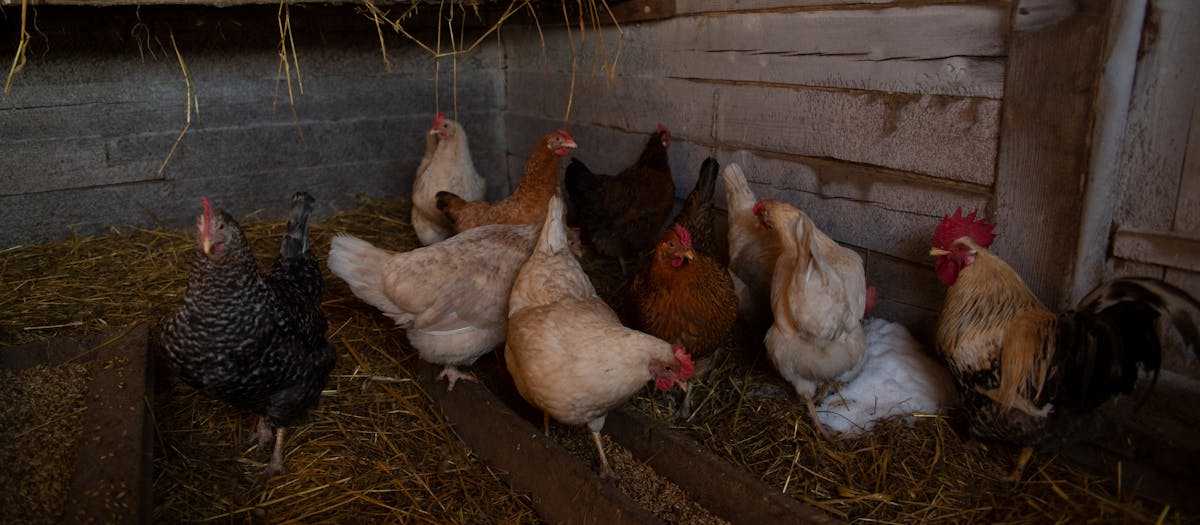
Most rookie coop purchases get one of three things wrong: the size, the predator-rating, or the materials. The good news is that all three are fixable at the buying stage and brutal to fix later. This page is the map to which coop fits your situation.
When I bought my first coop in 2021, I went up two sizes from what the listing said it held. Best decision I made — I now have room for six hens in a coop the listing claimed fit twelve. The opposite mistake is more common: buying a "10 chickens" coop and discovering it really fits four. The whole point of this silo is helping you avoid that.
Below: a 60-second decision tree, our current featured guides, and the spec checklist worth running before you commit.
How to choose the right coop
Four questions. Answer them honestly and you'll know which guide to read next.
How many hens?
- 2–4 hens — A-frame or compact portable coop.
- 4–8 hens — A-frame upgrade or small walk-in.
- 8+ hens — Walk-in coop, full-time setup.
What's your climate?
- USDA zones 3–4 (Minnesota, North Dakota, Maine): insulated coop, ventilated roof, heated waterer.
- USDA zones 5–7 (most of the US Midwest, Mid-Atlantic, Pacific NW): standard wood coop, careful ventilation, optional heated waterer.
- USDA zones 8–10 (Texas, Florida, southern California): emphasis on shade and airflow, less on insulation, watch for snake intrusion.
How much can you spend?
- Sub-$200 — Portable A-frame or small wooden coop. Expect to upgrade the latches and add hardware cloth on top of whatever it ships with.
- $200–500 — Mid-tier wood coop with reasonable factory predator-proofing.
- $500–1,500 — Walk-in coop or premium portable build. Hardware cloth from the factory, proper multi-point latches.
- $1,500+ — Custom or DIY build. Often best per-dollar for serious flocks.
Permanent or moveable?
- Permanent — Walk-in coop with foundation work. Lower maintenance long-term, harder to relocate.
- Moveable — Portable coop or chicken tractor on wheels or skids. Rotate the flock across the yard so they fertilise different patches, and keep one spot from turning to mud.
Featured guides
The current published guides in this silo. More land each batch.
Landing next: Best chicken coops (overall pillar), Chicken coop bedding, Chicken coop plans, Walk-in chicken coop, Chicken coops by flock size, Insulated chicken coops, and Chicken tractor vs stationary.
What matters in a chicken coop
The spec checklist worth running on any listing before you buy. Manufacturer copy is marketing; this is what the marketing leaves out.
Floor space inside the coop: 4 sq ft per bird, minimum
Less than this and birds peck each other, eggs get broken, disease spreads. The "8-bird coop" that's actually 16 square feet of internal floor fits four birds — not eight. Listings inflate; math doesn't.
Run space: 10 sq ft per bird, minimum
Less than this and the ground turns to mud, the flock gets bored, and you'll clean the run every week instead of every month.
Materials
Cedar > pressure-treated pine > untreated pine > MDF particle board (junk). Cedar costs more upfront and lasts 10+ years. MDF coops swell and split inside 18 months of regular rain.
Predator-proofing signals to look for in the listing
- Hardware cloth on every opening — not chicken wire. Different products.
- Locking latches on nest boxes — not simple hooks. Raccoons defeat hooks in a week.
- Raised floor, or no-floor design with skirting around the perimeter.
- Run cover — welded panels, hardware cloth top, or aviary netting.
Ventilation
Top-vent without a draft. Chickens handle cold better than they handle wet. Condensation from poor ventilation kills more winter flocks than cold temperatures do.
Nest boxes
One box per 3–4 hens. Removable lining for easy cleaning. Avoid mesh-bottomed boxes — they break eggs.
Roost bar
A 2-inch wide flat surface (a 2×4 laid flat is the standard). Not a round dowel — birds need a flat grip to keep their feet covered and warm in winter.
What we don't recommend
The trash tier. Manufacturer pages won't tell you any of this, so we will.
Flimsy "8-bird" coops at $150
They fit three birds at most, ship with chicken wire instead of hardware cloth, use particle-board panels that swell after one rainy week, and have hooks-only latches that raccoons defeat in days.
"Playhouse-style" decorative coops
Pretty in the product photo. Useless in winter, no proper ventilation, and the latches are decorative rather than functional. Skip.
Chicken-wire-only run panels
Chicken wire is fence-fence netting designed to keep chickens in. It does not keep raccoons, foxes, or weasels out. If a listing's "predator protection" is chicken wire, that's not predator protection.
Coops without skirting or a run-floor option
Without buried mesh or a hardware-cloth skirt extending 12+ inches out from the perimeter, foxes and dogs dig under inside the first week. Check the listing for a skirting plan before you commit.